10 Things Worth Sharing This March
The Value of Creating Physical Artifacts

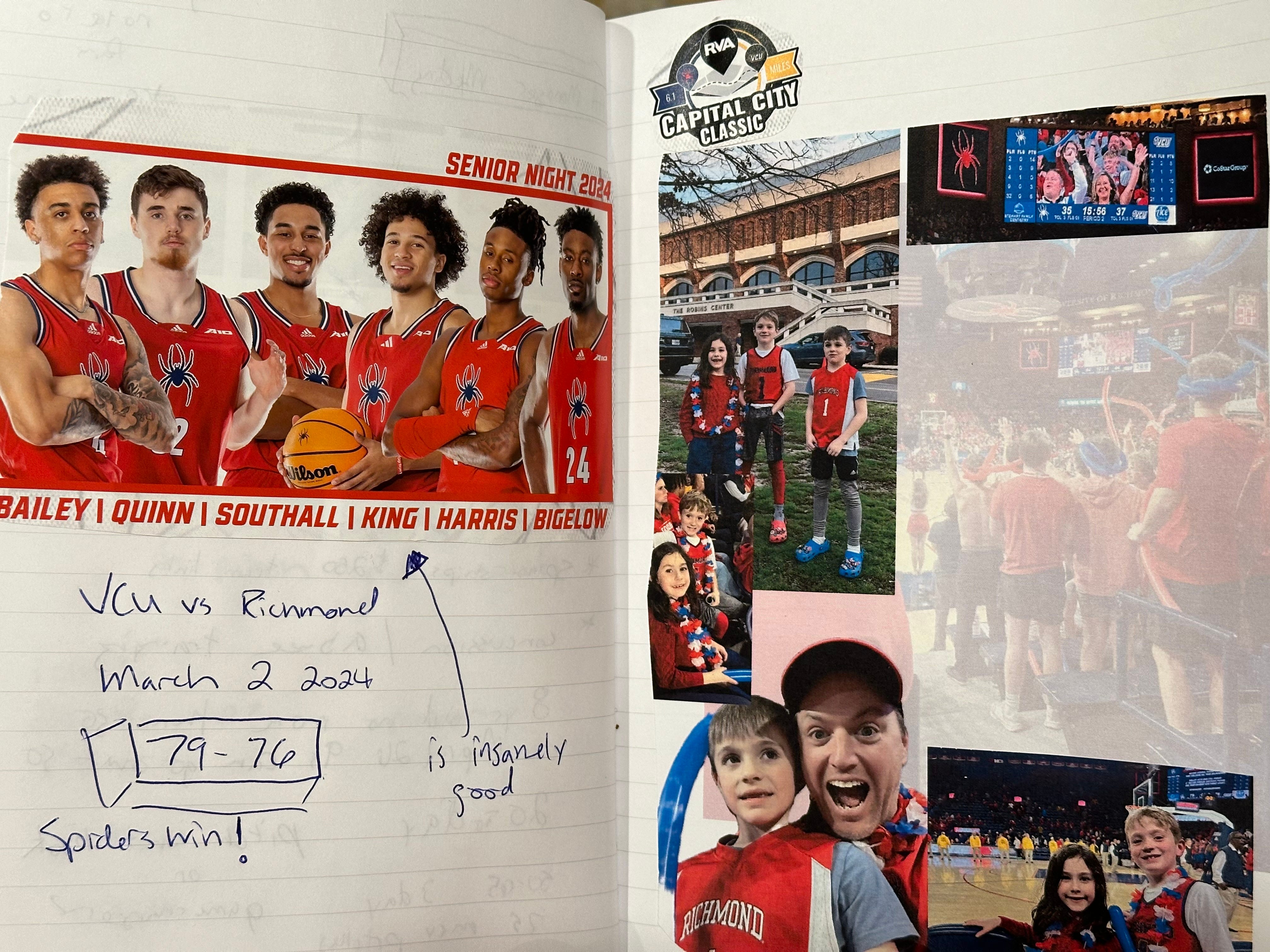
Baked into the inherent functionality of generative AI tools is that you can create endless amounts of content, easily manipulate images, and vastly transform your digital footprint. As a technologist who spends a lot of time and energy researching the implications of these tools on teaching and scholarship, I’m both excited and unsettled by this reality. It’s one of the reasons I started writing in an old fashioned ‘journal’ / commonplace book this month. There is something satisfying about a physical relic - something that exists separate from the digital space but is a place for thoughts, experiences (Go Spiders!), and musings.
This semester I’m encouraging my students to experiment with the role
generative AI can play in their education but am also asking them to keep a physical reflection journal. So far my journal is a mix of printed digital images (screenshots of chatGPT outputs, photos from weekend adventures, etc), physical media (game programs) and my handwritten commentary.
But the whole endeavor has me asking, what is the right balance in the usage of digital and physical tools?
Evan Puschak, aka the Nerdwriter, asks the question “Will AI Change our Memories”. This video checks many of my favorite topics: photography, neuroscience, and AI.
While I’m being romantic about the physical world, check out these awesome (but ridiculously expensive) flip clocks!
Click this next link just for the nostalgic 90s interface but stay for the conversation on how well AI could generate a good novel (back in 2022).
It’s not lost on me that the month I decide to start writing in a physical notebook is the month Apple releases their virtual reality / ‘spatial computing’ platform. There were far too many reviews to link to but I thought this one had the most insights.
My decision to start keeping a physical notebook / notepad (and this newsletter) is greatly influenced by Austin Kleon. Here he is talking about the importance of “Making things with your own hands”
“The hunch is the most fleeting of all ideas” This whole interview with Steve Johnson (writer and advisor for Google’s AI tool NotebookLM) is worth watching if you are interested in the writing process and the way technology can augment how we think / aggregate information.
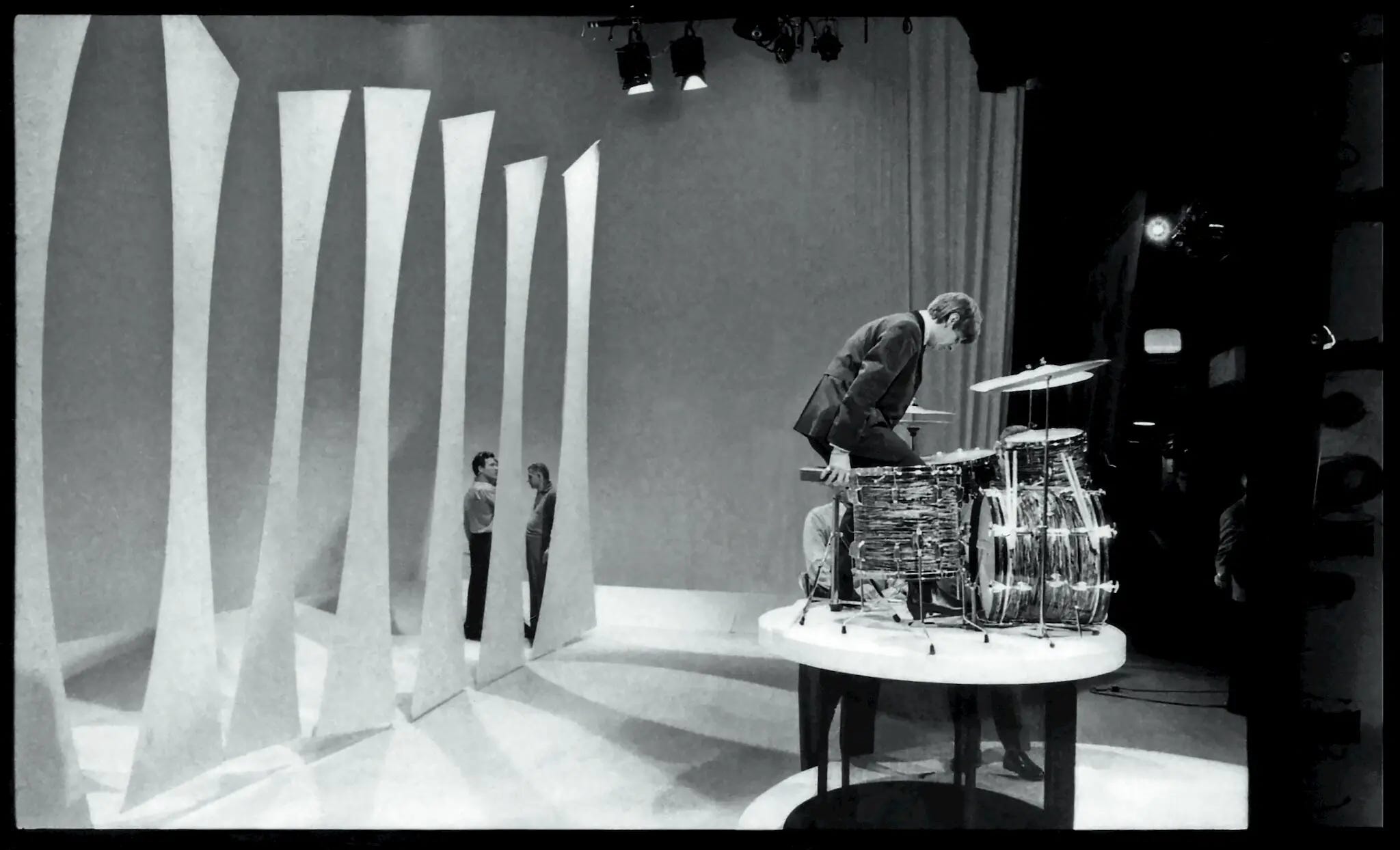
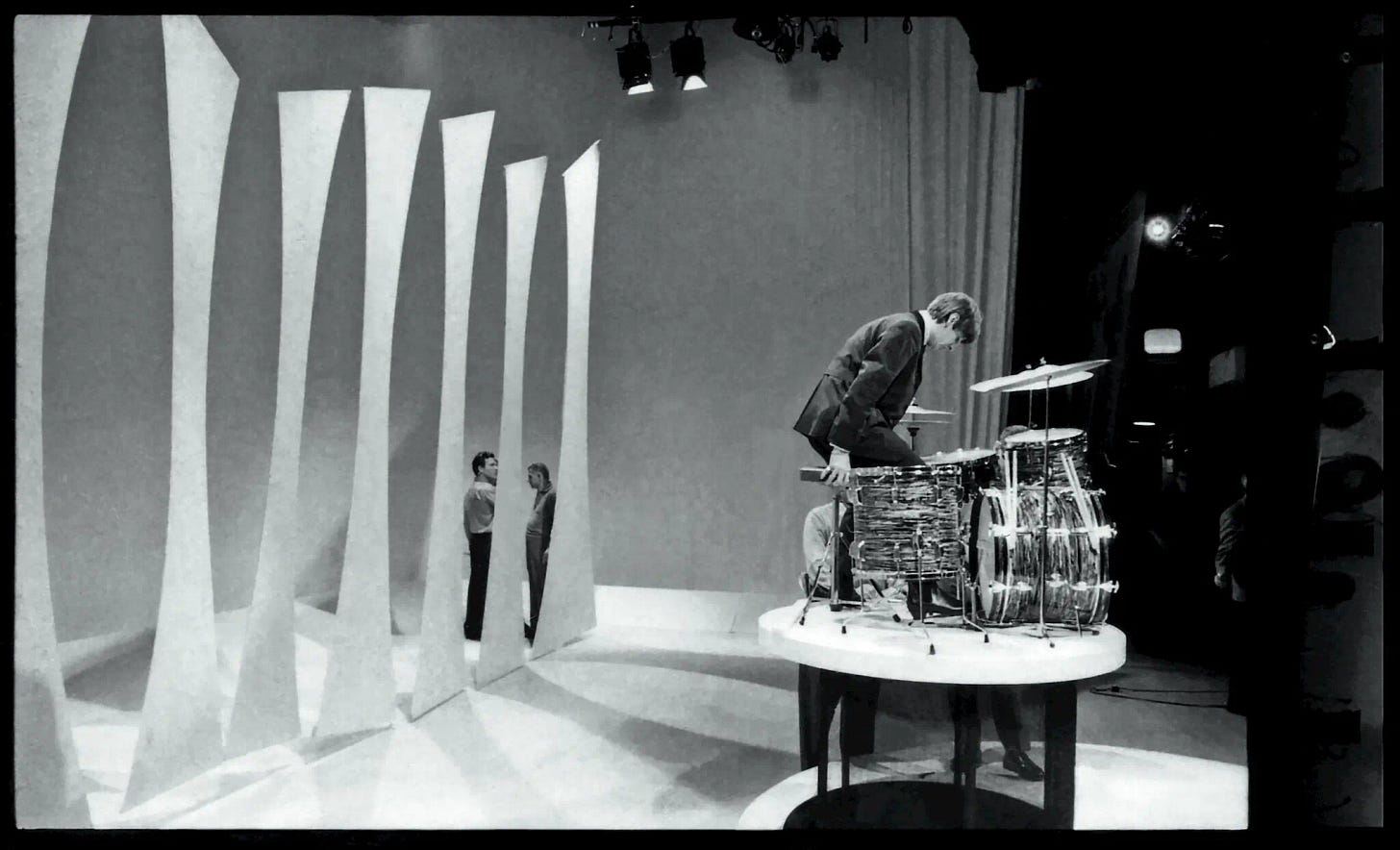
What we photograph can say as much about who we are as what we see. “Behind the scenes” is a dumb overused phrase that doesn’t completely describe this collection of Paul McCartney’s photos from the Beatles first tour of the US. Also I love stories where physical media / treasure is ‘found’ and makes you wonder the likelihood of similar stories about ‘found’ digital media in 30-40 years.
Perhaps with libraries like Youtube, digital media will never get lost… I hope this digital record of Casey Neistat’s perseverance never fades away.
I used Muse, a new digital canvas / notebook, on my iPad for over a year but the tool never felt like a creative catalyst. I was less disappointed in the tool and more in the limitations of working with a glass surface and plastic pencil. This is a retrospect from one of the creators of Muse.
Should you create a digital blog or a handwritten ‘commonplace’ notebook? Cory Doctorow contemplates his Memex method which makes me happy I’m also blogging :)